

How to Handle Frozen Pipes in Vail: Prevention & Emergency Repairs
Winter in the Rocky Mountains is beautiful, but it also means homeowners face the risk of frozen pipes. This kind of plumbing emergency can cause costly water damage, structural problems, and a lot of stress. At Peak PHC, we know how tough cold weather can be on your home. We want to help you avoid frozen pipes this winter. In this guide, you’ll learn how to prevent frozen pipes and what to do if you need emergency repairs.
Why Pipes Freeze in Vail’s Winter Climate
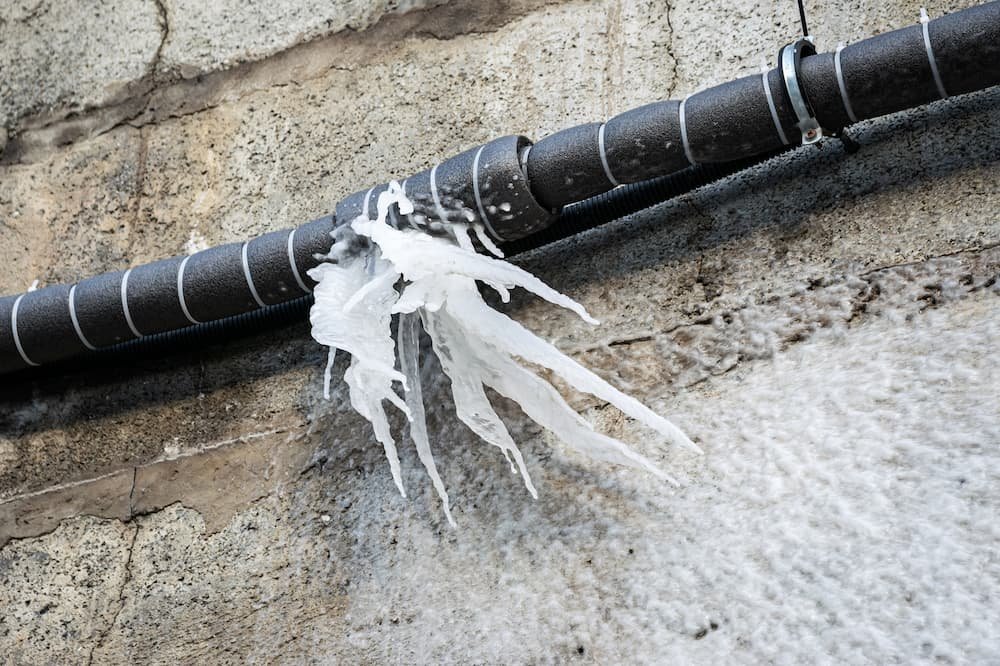
The harsh, prolonged freezing temperatures common in high-altitude mountain communities create the perfect scenario for frozen pipes. When water sits stagnant inside a pipe exposed to frigid air, it expands into ice. This expansion creates immense pressure—not necessarily where the ice forms, but between the ice blockage and the nearest closed faucet, which is often what causes the pipe to rupture.
Pipes are most at risk in places without enough heat or insulation, like along exterior walls, in unheated crawlspaces, basements, or attics. Older homes are especially vulnerable because their plumbing is often exposed or not well-insulated. Even in newer homes, a sudden cold snap can cause problems if temperatures drop quickly. Knowing these risks helps you prevent frozen pipes before they cause major damage.
Preventing Frozen Pipes: Tips for Homeowners
The best way to handle frozen pipes is to stop them from freezing in the first place. Start taking steps before the first big freeze. Begin by insulating all exposed pipes, especially in places like garages or crawl spaces, using foam pipe sleeves or heat tape.
A simple, yet highly effective tip is to let a cold-water faucet drip slightly during extreme cold events. Moving water is less likely to freeze, and a steady drip releases the pressure that builds up behind an ice blockage, helping to prevent bursts.
Inside your home, seal any drafts near water pipes; even small gaps can let in enough cold air to cause freezing. Always maintain a consistent home temperature, never allowing the thermostat to drop below 55°F, even overnight or while you are at work. If you plan to leave your property for a winter vacation, take extra precautions by turning off the main water supply and draining the system, or arranging for a friend or property manager to check the heat daily.
Thawing Frozen Pipes Safely
If you turn on a faucet and only a trickle of water comes out, you likely have a frozen pipe. Knowing how to handle frozen pipes after they freeze is crucial for minimizing damage.
First, open the faucet connected to the frozen pipe to allow water to flow and relieve pressure as the ice melts. Next, apply heat to the area. Start by wrapping the pipe with warm, not boiling, towels. A hair dryer (never a blowtorch or open flame) is an excellent tool for thawing; begin at the end closest to the faucet and work your way back toward the blockage. A small, safe space heater can be directed at the general area, but ensure it is kept away from flammable materials and is properly monitored.
Safety is paramount. Never use intense, direct heat, as it can damage the pipe or cause a fire. Be vigilant for warning signs of imminent pipe failure: bulging, visible cracks, or a sudden spray of water when the ice begins to melt. If a pipe bursts, immediately locate and turn off your main water shutoff valve to minimize flooding and water damage.
When to Call a Professional for Emergency Repairs
While small frozen sections can often be thawed by a diligent homeowner, there are critical times when you must call an expert. The most urgent situation is identifying burst or damaged pipes. If you notice flooding, hear running water where none should be, or see a significant crack, the time for DIY solutions is over.
Peak PHC provides reliable emergency plumbing services for plumbing crises. Our experienced technicians have the tools and expertise to quickly and safely assess the damage, repair burst pipes, and prevent further devastation to your home. A quick response is vital, as every hour a burst pipe is left unrepaired increases the risk of costly mold growth, mildew, and structural damage.
Don’t wait for a small freeze to turn into a big leak. Book a plumbing check or winter prep consultation with Peak PHC to make sure your home is ready for the cold. We’re here to keep your water flowing smoothly all winter.
Image credit: // Shutterstock // Vladimir Arndt